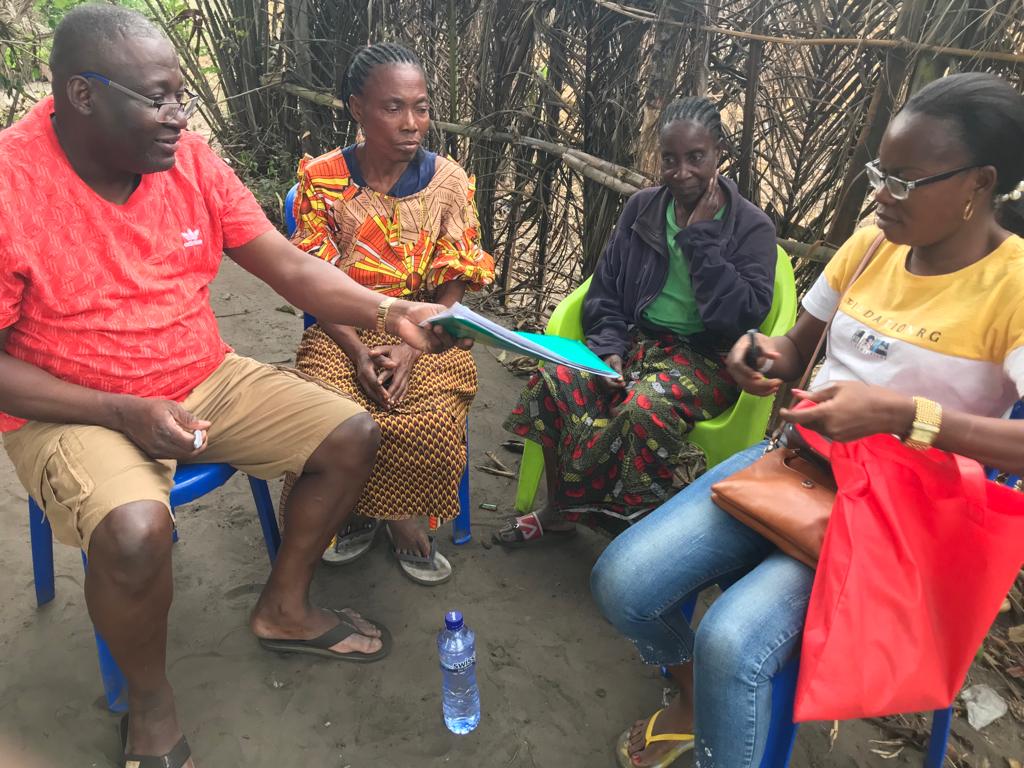
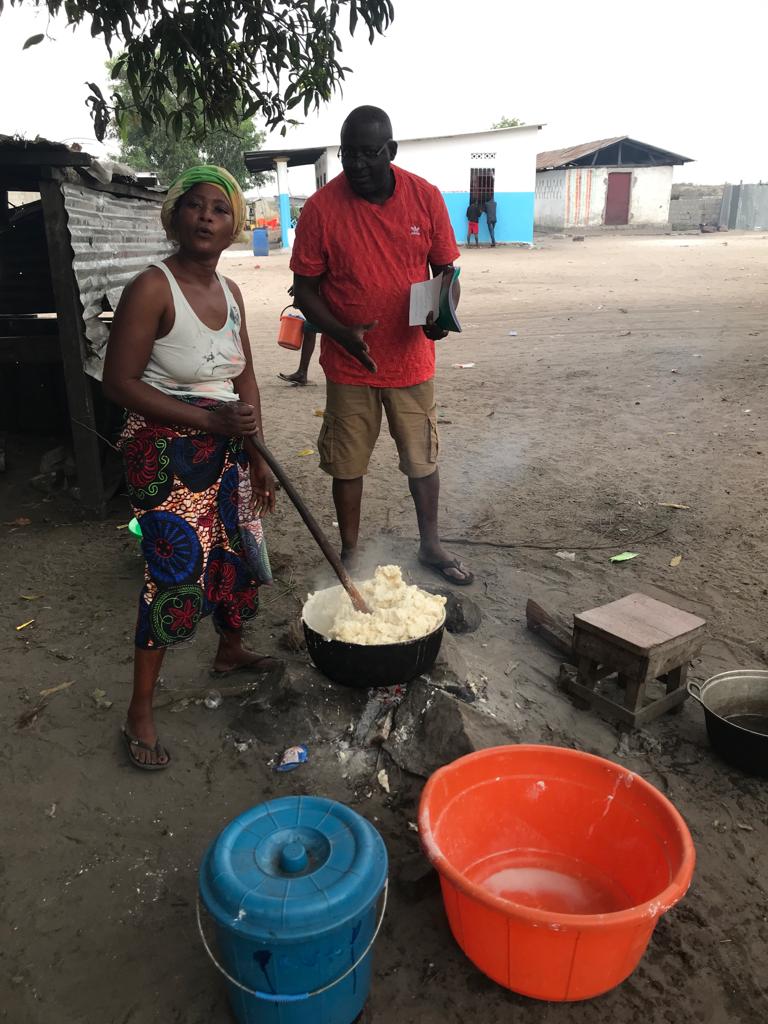
From June 28 until August 13, 2022, Guy Kouarata is doing again linguistic BantuFirst fieldwork on lesser known varieties of the Teke group (Bantu, B70), both in Congo-Kinshasa and Congo-Brazzaville. Just like during his 2021 fieldwork campaign, he will collect new data to feed several ongoing historical-comparative linguistic investigations aiming at a better understanding of their classification within West-Coastal Bantu.
Category: Uncategorized
Journal of Historical Linguistics publishes historical-comparative research on West-Coastal Bantu
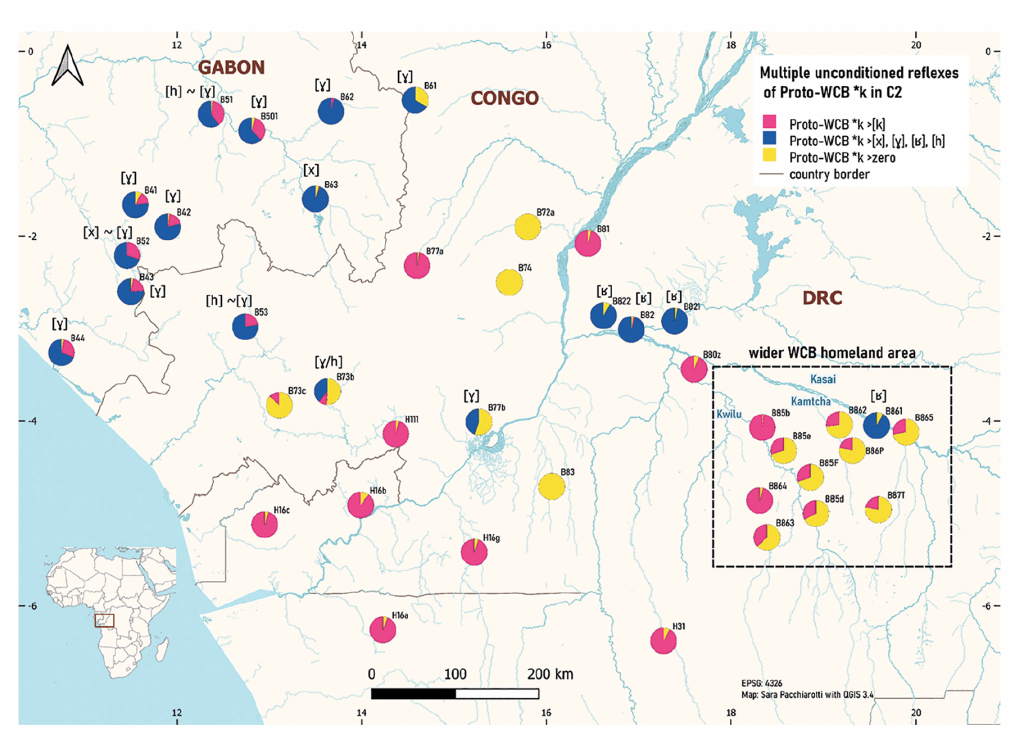
Sara Pacchiarotti (BantUGent) & Koen Bostoen (BantUGent) have a new article with BantuFirst research out in the Journal of Historical Linguistics. It is titled “Erratic velars in West-Coastal Bantu: Explaining irregular sound change in Central Africa“.

Jessamy Doman reviews the Late Miocene and Earliest Pliocene Paleoecology of Africa
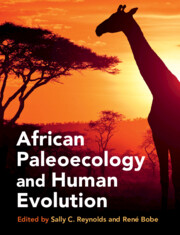
Jessamy Doman (BantUGent) co-authors with Emily Goble Early a synthesis chapter titled “Late Miocene and Earliest Pliocene Paleoecology of Africa” in a new Cambridge University Press book on the African Paleoecology and Human Evolution co-edited by Sally C. Reynolds and René Bobe.

Nature Scientific Reports publishes on fourteenth to eighteenth century pottery from the Kongo kingdom
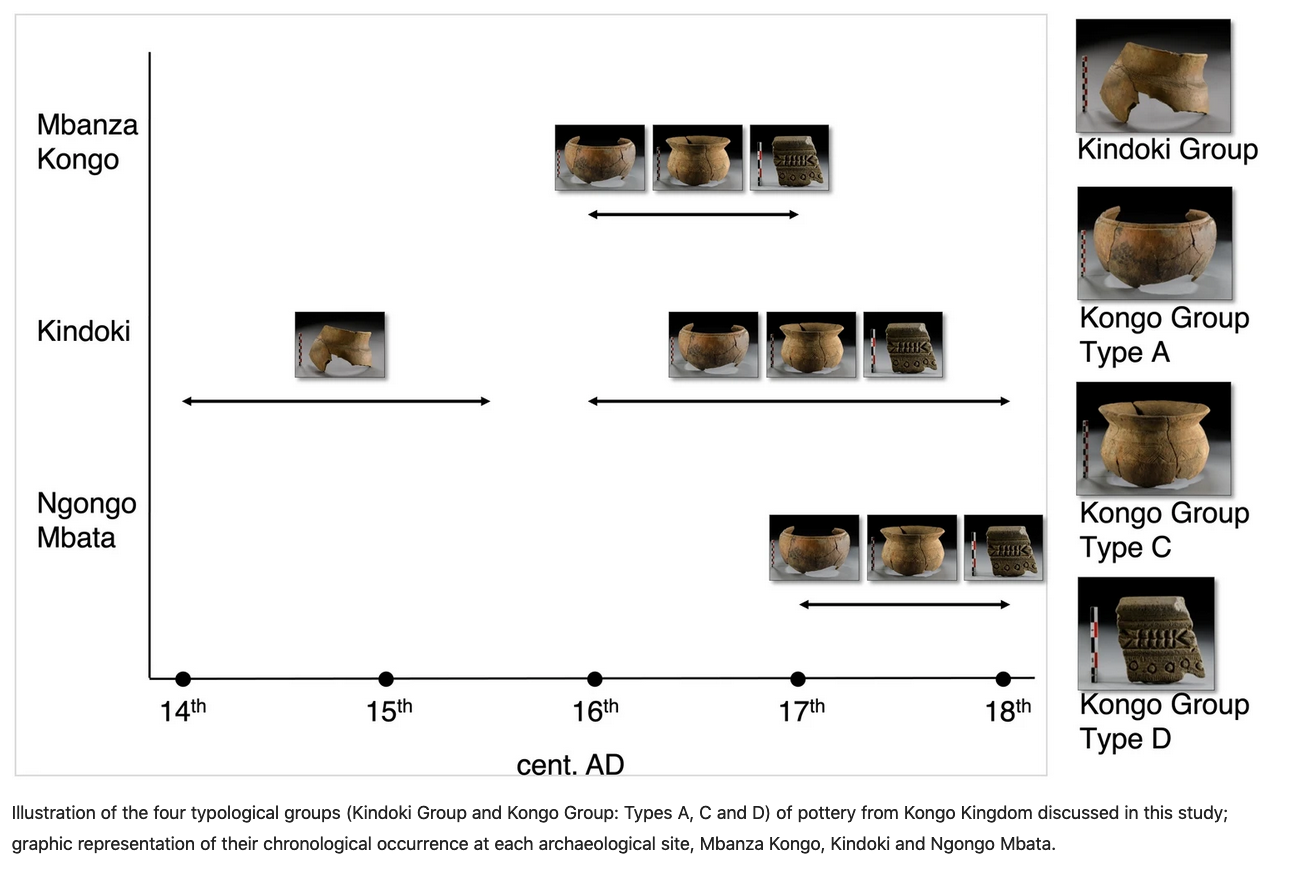
Nature Scientific Reports publishes a new article titled “A multi‑analytical characterization of fourteenth to eighteenth century pottery from the Kongo kingdom, Central Africa” with input from Bernard Clist (former member BantUGent) and Koen Bostoen (BantUGent). Research for this article was started as part of ERC-funded KongoKing project (2012-2016).

Maud Devos contributes to article on modal auxiliary verb constructions in East African Bantu languages
In this article an overview is given of the use of modal auxiliary verb constructions in East African Bantu (encompassing languages spoken from eastern Congo in the north-west to northern Mozambique in the south-east; viz. Guthrie zones JD, JE, E, F, G, M, N and P). Modality, here conceptualized as a semantic space comprising different subcategories (or flavors) of possibility and necessity, has traditionally been a neglected category within Bantu linguistics, which has tended to focus instead on the more grammatical(ized) categories of tense, aspect and to a lesser extent mood. Nonetheless, our survey shows that there exists a rich number of different verbs with specialized modal functions in East African Bantu. Moreover, when comparing the variety of modal verbs in East African Bantu and the wider constructions in which they operate, many similar patterns arise. In some cases, different languages make use of cognate verbs for expressing similar modal concepts, in other cases divergent verbs, but with essentially the same source meaning(s), are employed. In addition, both Bantu-internal and Bantu-external contact have played a key role in the formation of several of the languages’ inventories of modal verbs. A typologically significant feature recurrently discovered among the languages surveyed is the tendency of structural manipulations of the same verb base to indicate semantic shift from participant-internal to participant-imposed modal flavors.
BantUGent contributes to the newly published Cambridge Handbook of Language Contact
Koen Bostoen (BantUGent) and Hilde Gunnink (BantUGent) have a chapter titled “The Impact of Autochthonous Languages on Bantu Language Variation: A Comparative View on Southern and Central Africa” in the newly published Cambridge Handbook of Language Contact: Volume 1: Population Movement and Language Change, edited by In S. Mufwene & A.M. Escobar.


BantUGent research at 9th International Conference on Bantu Languages in Blantyre (Malawi)
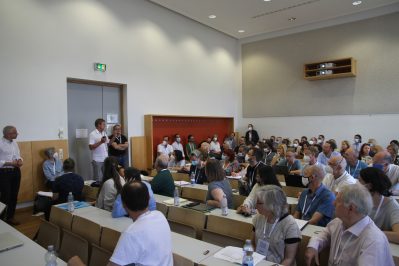
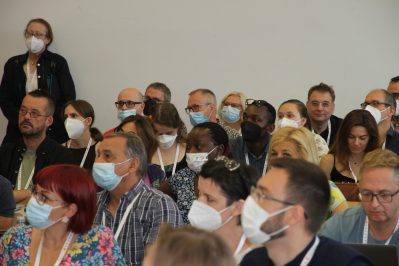
The 9th International Conference on Bantu Languages (Bantu 9) was held at the Malawi University of Science and Technology in Blantyre from 7 to 10 June 2022. The program included several research papers involving BantUGent researchers (bold):
- Maud Devos, Rasmus Bernander & Johan Van der Auwera: “Somebody interested in nobody? The specific and negative indefinites ‘somebody’ and ‘nobody’ in Bantu languages”
- Hilde Gunnink: “Contact and Inheritance in the development of lateral obstruents in Southern Bantu”
- Lorenzo Maselli ,Véronique Delvaux, Jean-Pierre Donzo, Sara Pacchiarotti, Koen Bostoen: “Retroflex sounds in the Mai-Ndombe (DRC): the case of nasals in North Boma B82 and Nunu B822”
- Daisuke Shinagawa, Seunghun J. Lee & Lorenzo Maselli: “Postnasal trilling in Bantu cross-linguistic variation and typology overview”

Hilde Gunnink obtains a new postdoctoral grant from FWO
Hilde Gunnink (BantUGent) has obtained a three-year senior postdoctoral grant from the Research Foundation – Flanders (FWO) for a research project titled “Language contact and linguistic reconstruction: (pre)historic Bantu-Khoisan interactions in Southern Africa in a historical linguistic perspective“. It is a follow-up of her current FWO-funded junior postdoctoral project titled “Language contact between migrating Bantu speakers and resident Khoisan speakers in southern Africa” (2018-2022).

Inge Brinkman talks for the Kongo Academy
On June 4 at 4.30pm (CET) Inge Brinkman (BantUGent) gives an online talk titled “Formal Education Policies in the Kongo Kingdom of the 16th Century” for the Kongo Academy, a platform created in December 2019 by a group of intellectuals interested in promoting the Kongo culture through research, education and training, cultural events and partnerships with institutions and individuals interested in Kongo culture, history, and language. For more information on the event, including the Zoom link and passcode (738070), see here. The recording is available here (passcode: Na%.Y6wi).

Maud Devos and Koen Bostoen consultants for Lola Jaye’s historical novel “The Attic Child”
The British novelist Lola Jaye has a new historical novel out. It is titled “The Attic Child” and was published by Pan MacMillan. The novel retells a true story from the Congo. Dikembe, one of its main characters, is inspired by Ndugu M’Hali (ca. 1865-1877), also known as Kalulu, who was Henry Morton Stanley’s servant. Ndugu tragically died during an expedition on the Lualaba River. Lola Jaye consulted Maud Devos (RMCA & BantUGent) and Koen Bostoen (BantUGent) for access to certain historical language sources and for advice on Bantu language use in her novel.